Signs You Need a Dangerous Tree Assessment and Removal
Trees fail quietly before they fail loudly. Long before a trunk splits across a driveway or a crown tears into power lines, the warning signs show up in bark, soil, and branch structure for anyone who knows how to read them. I have walked clients’ yards after windstorms that barely registered on the news and found root plates lifted two inches, canopies hung like sails over rooftops, and cracks you could sink a coin into. Other times, a tree that looked tired but serviceable one month shed a major limb the next because decay advanced behind the bark. Knowing when to call for a Dangerous Tree Assessment and Removal is less about panic and more about pattern recognition, timing, and sound judgment.
Why the stakes are higher than they appear
A falling tree does not care that you love the shade it casts over the patio. It is subject to physics and the condition of its fibers. A 16 inch diameter red maple limb can weigh 200 to 500 pounds depending on length and leaf load. That is the sort of weight that buckles gutters, shatters skylights, and ruins weekends. Insurance claims spike after wind events, but most hazardous trees show clear signals weeks or months in advance. The sooner they are documented and evaluated, the more options you have. Sometimes a smart pruning cut and Tree Cable and Bracing can buy years. Sometimes removal is the only prudent path. A Certified Arborist Consultation helps you sort those choices with clarity.
How trees fail
Trees fail in three broad ways. Roots let go, the trunk gives, or a branch breaks. Root failures often begin invisibly. Soil heaving, a fungal bracket near the base, or a narrow root crown because of past grade changes are your first hints. With trunks, internal decay can hollow the core while the tree still puts out healthy leaves, so you need to pay attention to cracks, seams, and old pruning wounds. As for branches, poor attachment angles, heavy end weight, or previous storm damage create what arborists call a weak union. Add wind or snow and the system finds its breaking point.
Think of a stressed tree like a loaded beam. The fibers in a healthy trunk share the load. When decay compromises the cross section, fewer fibers carry the same stress. At some tipping point, a gust that used to ruffle leaves becomes the final straw. That is why I care more about structure than height, and why I look at where a tree is headed if it does fail. Over a public sidewalk is a different conversation than over a meadow.
Quick signs that deserve immediate attention
- A sudden lean or recent soil heaving around the base
- Cracks or splits in the trunk or at major limb unions
- Decay indicators such as mushrooms at the base or hollow sounds when tapped
- Dead or dying sections of the crown, especially in the upper third
- Branches over roofs or power lines with visible damage or included bark
A lean that appears over a few days is different from a gentle posture a tree has grown into over decades. If you see fresh soil lifting on the side opposite the lean, that is the root plate moving. Cracks and splits can run vertically along the trunk or radiate where limbs meet. Even a shallow crack can be serious if it involves the main stem or a co-dominant leader with a narrow attachment. When I see a wide V-shaped union with bark pinched inside, I expect trouble when the canopy is wet and heavy.
Fungi are nature’s recyclers, and when they set up at the base of a live tree they are telling you the tree has become a meal. Conks and mushrooms on or near the trunk often track with interior decay. Tapping the trunk with a mallet and listening for a drumlike hollowness is an old trick, but we confirm suspicions with tools like a resistograph or sonic tomography during a Certified Arborist Consultation. Dead wood up high matters the most because it is more likely to fall with energy. If the top third shows dieback, do not wait for summer storms to test it.
Lines and roofs change your margin for error. I have seen small branches, nothing wider than a forearm, punch holes in asphalt shingles when they come down with momentum. Branches that rub or hang above a power service line are both a fire risk and a utility nightmare. In that zone, Emergency Tree Services are not about aesthetics, they are about keeping you safe and your lights on.
Assessment before action
A Dangerous Tree Assessment and Removal is a two part thought process. First, we score the tree’s condition and the target below it. Second, we decide whether to mitigate, monitor, or remove. In practice, I start with a simple walk around. I step back to see the crown symmetry, then get close enough to inspect the root collar, trunk, and limb unions. I look for old pruning wounds, cankers, lightning scars, and any hardware from past Tree Cable and Bracing. I note the species, because a willow with a crack is different from a white oak with the same crack. Some species compartmentalize decay better than others.
If the signs point to interior decay, I might drill a thin needle for a resistograph reading. The graph tells me how much sound wood remains as a percentage of the radius. As a rule of thumb, many species need at least 30 percent of the diameter in sound shell to maintain strength under load, but exposure, crown size, and defects change that calculation. We also consider wind patterns on the site. A lone tree at the edge of a new subdivision now takes forces it never saw when it was buffered by a grove. Good assessments weigh history and context along with measurements.
When a homeowner involves us early, we have options. Strategic Tree Pruning & Crown Shaping can reduce sail area by 10 to 20 percent without gutting the tree’s character. Lightening the end weight of long limbs makes a dramatic difference in storm performance. On trees with two main stems that are trying to split, Tree Cable and Bracing can redistribute forces. That is not a cure for decay, but it can extend the safe life of a structurally challenged tree. Cabling has to be installed correctly, at the right height and angle, and it needs inspection every few years.
When removal is the right choice
There is no virtue in preserving a tree that will fail toward a bedroom. Whenever the risk rating crosses into the high zone and mitigation will not bring it down to moderate, I recommend removal. The decision is easier when the tree has multiple compounding defects, for example advanced root decay plus crown dieback plus a target like a garage. Another push toward removal is when the tree stands within the primary defensible space for wildfire. FireSmart Tree Services focus on creating lean, clean, and green zones 0 to 1.5 meters from structures, then reducing ladder fuels out to 10 meters and beyond depending on terrain. A large, resinous conifer with low limbs five feet from a wood deck is a poor gamble in fire country. In those cases, removal may be part of a larger fuels reduction plan, combined with pruning adjacent trees to lift crowns and thin density.
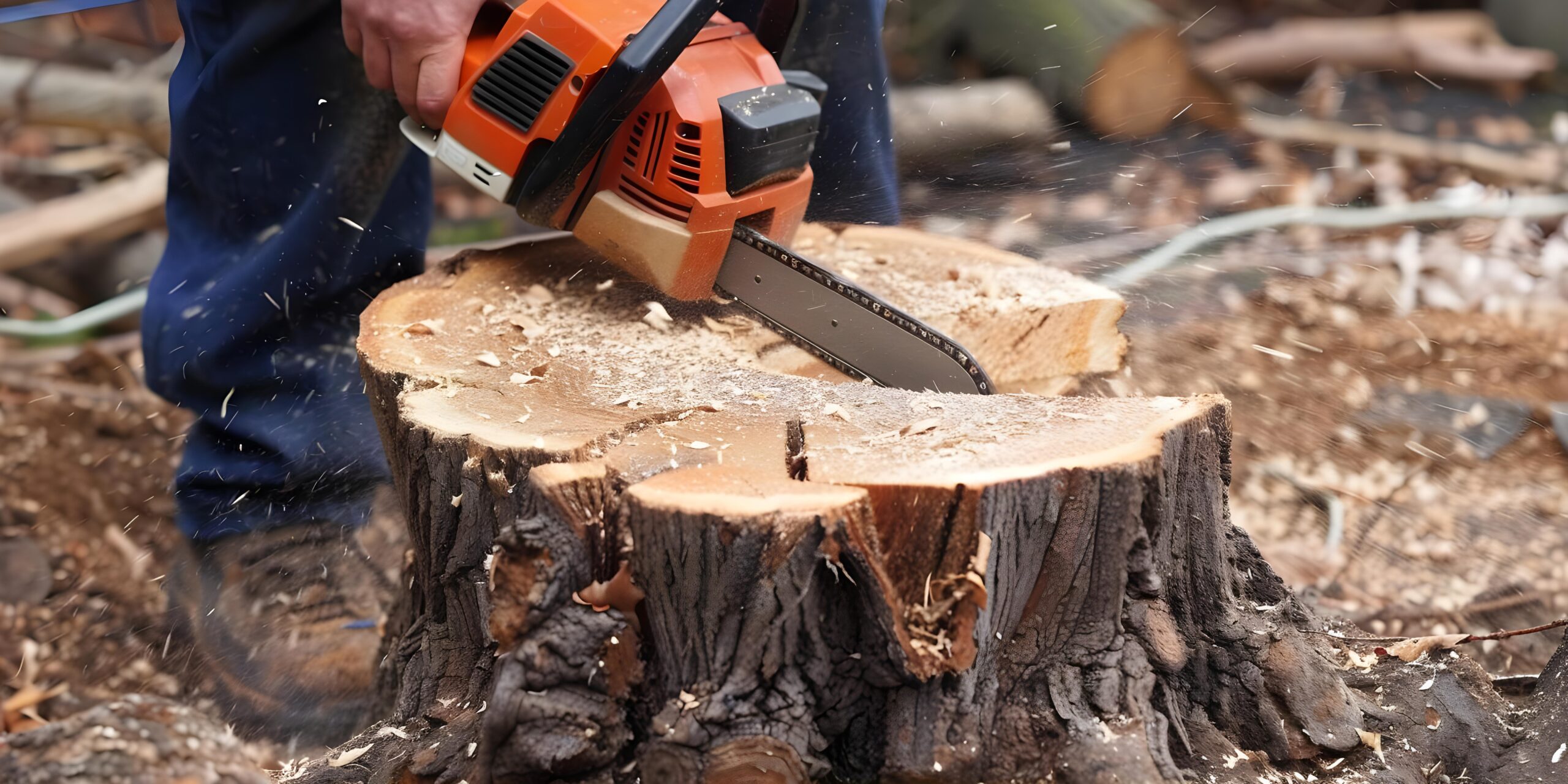
If we choose Tree Removal Services, we plan the work around access, utilities, and collateral impacts. Tight urban lots can require cranes or advanced rigging to lower sections in controlled pieces. A routine removal of a medium hardwood in open space might take half a day with a three person crew. A large, decayed cottonwood over a house with limited access can take a full day or more with a crane, spotters, and traffic control. The point is not to dramatize, but to underscore that removal is a professional operation, not a weekend project with a chainsaw and a ladder.
Utility lines, property lines, and permits
Before any saw starts, we verify utility locations. Underground service lines often run closer to trunks than people think because trees and trenches share the same narrow side yards. Calling the locate service is standard practice, and aerial lines require safe working distances that vary by voltage. If the tree overlaps a neighbor’s property, local law governs notice and cost sharing. Most municipalities also regulate heritage trees by species or diameter, so a permit may be required for removal even on private property. During a Certified Arborist Consultation we flag these issues early so schedules do not blow up mid project.
What an arborist looks for during a consultation
Expect a series of quiet observations followed by a clear discussion. We do not rush. I often start at the driveway, not because it is convenient, but because perspective matters. From there I can see how the largest trees relate to the house, the wind exposure across the ridge, and the shape of the crowns against the sky. I walk the dripline to read the soil. Compacted ground from parking or foot traffic often coincides with root stress. Mulch placed too deep against the trunk, the dreaded volcano, traps moisture and invites decay.
I take photographs as we go so we can mark change over time. If we plan to retain a risky but valued tree, we schedule follow up inspections at set intervals. Sometimes I leave you with a simple action, like reducing irrigation at the base of a mature oak that resents summer water. Other times I recommend a staged plan: first Tree Pruning & Crown Shaping to reduce risk, then cabling, then a timed recheck in 12 months.
The role of pruning and cabling in risk reduction
When done with restraint and an eye for structure, pruning is prevention, not cosmetics. The goal is to reduce defects, distribute wind load, and improve branch spacing. Removing deadwood over 2 inches, reducing long lever arms by shortening back to lateral branches, and thinning congested interior growth all help. I avoid topping or heavy thinning that guts the canopy. That invites epicormic sprouting and weak attachments, setting you up for a worse problem in three years.
Tree Cable and Bracing, placed high in the canopy between co-dominant stems, can reinforce unions that would otherwise split under load. Steel rods sometimes back up cracked crotches lower down. Hardware is not a one and done solution. Cables have service lives and inspection cycles. A responsible plan includes a reminder system so we look after the tree we have elected to keep.
After the fall or after the cut: stump decisions
Whether a windstorm takes a tree or a crew does it by plan, you are left with a stump. Some homeowners like the sculptural look. Most want it gone so roots do not trip people or send up shoots across the lawn. Stump Removal & Grinding takes the stump down below grade, typically 6 to 12 inches for lawn and more for replanting. In tight beds we sometimes go shallower to avoid irrigation lines. The grindings are woody and high in carbon, so I do not use them as backfill under turf. I prefer to remove the chips, bring in topsoil, and regrade.
If you plan to replant in the same spot, choose a smaller species or shift the location a few feet. Old root zones are tough places for a young tree to establish. Give new stock adequate root volume, water deeply but infrequently, and mulch properly with a two to three inch layer kept off the trunk. That small spacing and care window sets the next generation up to avoid the structural issues that brought us here.
Budget, timelines, and what affects cost
Costs vary by region, tree size, complexity, and equipment. In general terms, light risk reduction pruning on a mid sized ornamental might run a few hundred dollars, while comprehensive pruning and cabling on a large shade tree runs into four figures. Tree Removal Services for a small tree in open space can be straightforward, whereas a large, decayed tree over a roof with crane access, rigging, and haul off can cost several thousand dollars. Stump grinding is often quoted by diameter and access. Emergency Tree Services involve premium rates because crews mobilize immediately, sometimes at night, and work under storm constraints.
I advise clients to think in terms of value and risk offset. A Certified Arborist Consultation that costs a modest fee can prevent a five figure loss. A measured plan over two or three seasons often spreads costs sensibly, tackling the highest risks first, then circling back for fine tuning.
Two field stories that explain the judgment calls
On a coastal site, a mature Monterey pine stood over a guest cottage. It looked vigorous, full of needles, but the base had two fruiting bodies 8 inches across. The owner loved the sound in the wind. We cored it and found only a thin shell of sound wood. Add salt air and seasonal storms, and the math was unforgiving. We removed it in sections with a small crane to avoid the cottage. The stump grinder revealed extensive root decay. Had we waited for summer gales, the story would have had sirens.
Different yard, different outcome. A white oak with co-dominant leaders leaned slightly over a drive. The union had included bark, but the tree was otherwise healthy, with no decay indicators. The owner wanted to keep it if possible. We reduced end weight on both leaders by 15 percent through careful Tree Pruning & Crown Shaping and installed a dynamic cable high in the canopy. We scheduled inspections every two years. Five years later, after a major wind event, the cable showed slight elongation but no damage, and the tree still anchors the garden exactly as hoped.
Fire risk, wind risk, and the landscape around your trees
Trees do not live in isolation. In fire zones, the way your landscape is arranged is as important as any single tree’s condition. FireSmart Tree Services aim to break up continuous fuels, raise crowns so flames do not ladder into canopies, and choose species that behave better under ember attack. Deciduous trees with higher moisture content and broad leaves can perform better near structures than dense, resinous conifers. We also look at mulch types, furniture placement, and outbuildings. A cord of wood stacked under a pine limb can undo all the careful pruning in an afternoon.
Wind exposure is its own design challenge. Edge trees at new developments, trees opening to a cleared view, or isolated specimens with heavy tops are particularly vulnerable. If you plan construction that changes wind dynamics, bring an arborist into the conversation early. Minor plan changes, like shifting a driveway or leaving a windbreak row, can keep a venerable tree stable for decades.
What to do the moment you notice a red flag
- Keep people and pets out of the drop zone below the tree
- Take clear, dated photos of the problem areas and the surroundings
- If power lines are involved, call the utility before anyone approaches
- Arrange a Certified Arborist Consultation to confirm risk and options
- If the tree is actively failing or a storm is imminent, call for Emergency Tree Services
Those five steps create a safe, documented, and efficient path forward. Photos help track change and support permit or insurance conversations. Utilities need to de-energize or clear lines before a crew can work safely. An arborist will triage whether immediate action is required or if you have time to consider mitigation versus removal.
Living with trees, safely and well
The best tree owners I know treat care like routine maintenance, not crisis response. They schedule inspection cycles and modest pruning before branches sag over the roof. They monitor old hardware, keep mulch off trunks, and water wisely during drought. They ask for help when they see changes in posture or vigor. They also accept that sometimes the right move is to let a tree go, then plant the next one in a smarter spot with room to grow a strong structure.
Good work in this https://acetree.ca/tree-cable-and-bracing/ field is quiet. It shows in the summer shade that still stands after a windstorm, in the rooflines unpunctured by deadwood, and in homes that meet ember storms with less to burn. Whether you need Tree Removal Services today or a plan to reduce future risk with Tree Pruning & Crown Shaping, FireSmart Tree Services, or Tree Cable and Bracing, you gain most by acting before events make the decision for you. A Dangerous Tree Assessment and Removal is not just a service, it is a way of looking at your property that balances beauty and safety with clear eyes.
Ace Tree Services Ltd.
Name: Ace Tree Services Ltd.Address: 4656 Wallace Hill Road, Kelowna, BC
Postal code: V1W 4C2
Phone: 250-212-9593
Website: https://acetree.ca/
Hours:
Monday: 7:00 AM - 5:00 PM
Tuesday: 7:00 AM - 5:00 PM
Wednesday: 7:00 AM - 5:00 PM
Thursday: 7:00 AM - 5:00 PM
Friday: 7:00 AM - 5:00 PM
Saturday: 7:00 AM - 5:00 PM
Sunday: Closed
Open-location code (plus code): RHF8+8G Kelowna, British Columbia, Canada
Map/listing URL: https://www.google.com/maps/place/Ace+Tree+Services+Ltd./@49.8232606,-119.4337283,659m/data=!3m2!1e3!4b1!4m6!3m5!1s0x537d8b1d074815c5:0x450b88afa7a41435!8m2!3d49.8232606!4d-119.4337283!16s%2Fg%2F11ydkpnh22
Embed iframe:
"@context": "https://schema.org", "@type": "HomeAndConstructionBusiness", "name": "Ace Tree Services Ltd.", "url": "https://acetree.ca/", "telephone": "250-212-9593", "address": "@type": "PostalAddress", "streetAddress": "4656 Wallace Hill Road", "addressLocality": "Kelowna", "addressRegion": "BC", "addressCountry": "CA" , "openingHoursSpecification": [ "@type": "OpeningHoursSpecification", "dayOfWeek": "https://schema.org/Monday", "opens": "07:00", "closes": "17:00" , "@type": "OpeningHoursSpecification", "dayOfWeek": "https://schema.org/Tuesday", "opens": "07:00", "closes": "17:00" , "@type": "OpeningHoursSpecification", "dayOfWeek": "https://schema.org/Wednesday", "opens": "07:00", "closes": "17:00" , "@type": "OpeningHoursSpecification", "dayOfWeek": "https://schema.org/Thursday", "opens": "07:00", "closes": "17:00" , "@type": "OpeningHoursSpecification", "dayOfWeek": "https://schema.org/Friday", "opens": "07:00", "closes": "17:00" ], "geo": "@type": "GeoCoordinates", "latitude": 49.8232606, "longitude": -119.4337283 , "hasMap": "https://www.google.com/maps/place/Ace+Tree+Services+Ltd./@49.8232606,-119.4337283,659m/data=!3m2!1e3!4b1!4m6!3m5!1s0x537d8b1d074815c5:0x450b88afa7a41435!8m2!3d49.8232606!4d-119.4337283!16s%2Fg%2F11ydkpnh22"
Ace Tree Services Ltd. provides professional tree removal, pruning, stump grinding, emergency response, and arborist consultations for properties in Kelowna and across the Okanagan Valley.
The company works with homes, commercial properties, and municipal settings where tree work needs to be planned carefully around buildings, fences, driveways, landscaping, and other site constraints.
Based in Kelowna, the team is positioned to help nearby neighbourhoods and surrounding Okanagan communities with routine tree care and time-sensitive storm cleanup.
Customers looking for careful tree work often want a crew with certified arborist training, insurance, and a methodical approach to higher-risk removals.
Services also include dangerous tree assessment, cabling and bracing, and wildfire risk reduction tree work for properties that need longer-term planning.
To request a quote or discuss tree care options, call 250-212-9593 or visit https://acetree.ca/.
A public map listing is available to help customers confirm the business location and get directions before a site visit or estimate.
For Kelowna property owners who need pruning, removals, or emergency tree help, a local tree service can make it easier to schedule site-specific recommendations and cleanup.
Popular Questions About Ace Tree Services Ltd.
What services does Ace Tree Services Ltd. provide?Ace Tree Services Ltd. lists tree removal, stump removal and grinding, tree pruning and crown shaping, emergency tree service, arborist consultation, dangerous tree assessment and removal, cabling and bracing, and wildfire risk reduction tree work.
Who does Ace Tree Services Ltd. serve?
The company describes its work as serving homes, businesses, and municipalities in Kelowna and across the Okanagan Valley.
Is emergency tree help available?
Yes. Emergency service is listed for downed or uprooted trees, dangerous tree assessment, stabilization work, and branch cleanup. If a tree is near power lines, the safest first step is to stay clear and contact the utility provider before any tree work begins.
Do I always need a permit to remove a tree?
Not always. Permit requirements can depend on where the tree is located and whether it is near a creek, lake, steep slope, or another protected area. It is best to check local rules for the specific property before removal work starts.
How deep does stump grinding usually go?
Standard stump grinding is typically described as going about 6 to 12 inches below ground level, which is often enough for grass or surface landscaping. Deeper grinding may be possible when site plans call for it.
How much of a tree can be safely removed at one time?
That depends on the species, age, health, and structure of the tree. In practice, good pruning is usually about removing the right limbs for health, clearance, and structure rather than chasing a fixed percentage.
What are common signs that a tree may be dangerous?
Large dead limbs, visible cracks, a new lean, root damage, canopy dieback, or storm-related damage can all be warning signs. Trees near structures deserve extra attention when any of those issues appear.
What is cabling and bracing in tree care?
Cabling and bracing are support systems used to reduce the risk of failure in trees with structural weaknesses that may still be worth preserving. They are generally used to add support, not to replace good assessment and ongoing maintenance.
How do I contact Ace Tree Services Ltd.?
Call 250-212-9593.Website: https://acetree.ca/.
Landmarks Near Kelowna, BC
Downtown KelownaThe downtown core is a practical reference point for lakefront neighbourhoods, mixed-use streets, and central residential properties. If your property is near downtown, tree pruning, removals, and cleanup can be planned around tighter access and nearby structures.
Knox Mountain Park
This well-known park north of downtown is a recognizable landmark for nearby homes and hillside properties. If you are close to this area, ask about tree assessment, trimming, or removal work suited to sloped sites.
Mission Creek Greenway
The greenway runs through several parts of Kelowna and is a useful landmark for nearby residential areas. If your property borders or sits near this corridor, site-specific tree planning is especially important.
Pandosy Village
Pandosy is one of Kelowna’s most recognizable neighbourhoods and a common reference point for south-central properties. If you are nearby, request help for pruning, removals, or storm cleanup around homes and small commercial sites.
Rutland
Rutland is a major east Kelowna neighbourhood with a mix of residential and local commercial properties. If you are located in or near Rutland, tree work can be scheduled for both routine maintenance and urgent situations.
Landmark District
This central business-focused area is a practical landmark for offices, service properties, and nearby residential streets. If your site is near the district, ask about careful tree work around parking, access lanes, and built-up lots.
Kelowna’s North End
The North End sits on the edge of downtown and is a useful reference for nearby homes, industrial sites, and commercial properties. If you are in this part of the city, request tree care based on the layout and constraints of the lot.
Airport District
The Airport District is a recognizable north Kelowna reference point for surrounding properties and access routes. If you are in this area, ask about tree services for residential acreage, commercial sites, or roadside cleanup needs.
Glenmore & Dilworth
These established Kelowna neighbourhoods are useful landmarks for central and north-central service calls. If your property is nearby, pruning and removal work can be tailored to mature trees and established landscapes.
Highway 97 Corridor
Highway 97 is one of the city’s main travel routes and a common way to describe location within Kelowna. If your home or property is just off the corridor, a clear landmark reference can help speed up quote scheduling and site planning.