Rapid Response Emergency Tree Services Near You
A fallen limb on a roof, a split trunk leaning toward a power line, a root plate heaving the soil after a storm, these scenes never arrive at a convenient hour. I have taken calls at 1:12 a.m. From panicked homeowners hearing creaks and pops in the wind. Trees move, wood fibers fail, and gravity does not wait for daylight. When minutes matter, the difference between a controlled response and a costly cascade of damage often comes down to preparation, judgment, and the right team.
Emergency tree work looks simple from the curb, a crew, a truck, a saw. Up close, it is a chessboard of forces. Bark hides fractures, fiber tension loads build in unpredictable ways, and one wrong cut can roll a multi-ton trunk into a house or pull down a line. What you want in those moments is a company that treats the scene like a job site and a patient at the same time, measured, deliberate, and fast.
What “emergency” really means in tree care
The word emergency gets stretched thin. A neighbor’s maple dropping seeds into a pool is an annoyance, not an emergency. A hung limb cocked over a walkway, a partially uprooted spruce after a wind event, or a dead ash beside a school drive, those fit the label. I tend to classify true emergencies by their immediate risk to life, property, and critical infrastructure. If a tree failure can block a fire truck, tear into a roof during heavy rain, or interact with electrical equipment, it deserves a rapid response.
Good companies triage. The dispatcher asks about utility involvement, access, occupant safety, and secondary hazards like gas meters, fences that may anchor tensioned wood, and soft soils. Crews arrive with containment in mind, not just removal. That means cribbing to stabilize heavy wood, friction devices to control lowering, and insulated tools when power is suspected. An emergency call might result in a temporary make-safe, then a return visit for full Tree Removal Services when conditions are stable.
The first hour: how homeowners and property managers should act
I have watched people take preventable risks because adrenaline short-circuited their common sense. A little structure helps.
- Verify that people and pets are clear of the hazard. Keep everyone out of the drop zone and away from tensioned branches or leaning trunks.
- If utilities are involved or suspected, call the utility before anyone touches the tree. Lines can energize wood and ground.
- Take photos from safe distances. Insurers appreciate context, and the details fade quickly after dawn.
- If water is entering the structure, place buckets and cover valuables, but do not climb on the roof. Interior mitigation is safer and preserves claims.
- Call Emergency Tree Services locally and provide specifics: tree species if you know it, what it struck, access points, and whether the ground is saturated or frozen.
These five steps sound straightforward, yet they reduce on-site time by 20 to 40 minutes on average, because the crew shows up prepared for what they will see rather than guessing.
How professionals stabilize a scene
Once the truck is parked and the scene assessed, the first question is, what can shift? On a storm job near the lakefront last spring, a split cottonwood pressed into a garage roof. The trunk wanted to roll. We wedged the base with hardwood cribbing, tensioned the upper stem with a controlled pull using a winch anchored to a mature oak, and reduced weight from the top down with a climber tied into a separate, unaffected tree. That sequence turned a potential avalanche of wood into a quiet series of cuts and lowers.
Modern gear expands the margin of safety. Static and semi-static lines let us pre-tension pieces. Friction devices like bollards mounted to the truck or a ground tree control descent. Battery saws now handle limbing near structures quietly and without exhaust, which matters in enclosed courtyards or at night. On heavy wood, we still rely on sharp chainsaw chains, wedges, and, when needed, cranes. A crane is not a showpiece, it is a tool for when you want zero lateral movement. I have used cranes to lift storm-broken sections clear of skylights where any drag would have shattered glass and invited water damage.
Communication keeps all of this coordinated. A crew leader calls cuts, a spotter watches lines, and no one assumes a piece is free until it is visibly off-load. The speed you see from a seasoned team is not rushing. It is muscle memory built on hundreds of jobs, each one teaching a different lesson about fiber, leverage, and friction.
Dangerous Tree Assessment and Removal, judgment before the saw
Not every compromised tree needs to come down immediately, yet some stand only because the weather has been kind. A Certified Arborist Consultation separates the two. We look for cracks visible and hidden, decay pockets with a mallet or a resistograph, root plate movement, canopy dieback that shifts weight, and targets that would suffer if the tree fails. A dangerous tree assessment uses a matrix of likelihood and consequence. A cracked ash along a back fence might be monitored through the dry season. The same ash along a school pickup lane should be removed promptly.
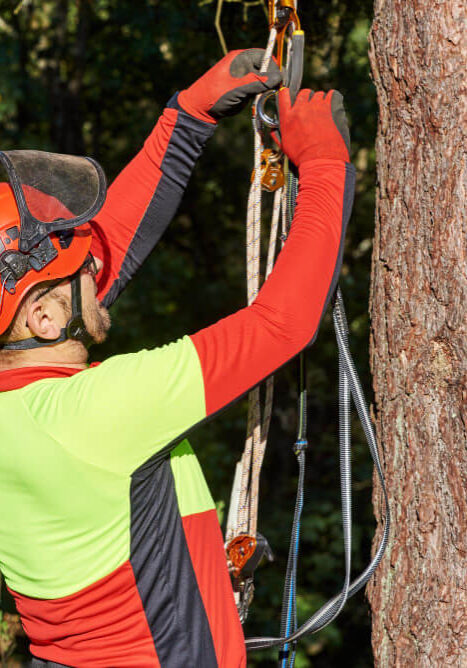
When removal is necessary, planning matters as much as execution. On tight urban sites, disassembly in small blocks protects masonry and landscaping. In open spaces, a controlled felling cut with lines to guide the fall might be faster and more economical. Both count as Tree Removal Services, but the choice reflects the site, soil conditions, and risk tolerance. After the trunk is down, Stump Removal & Grinding leaves the area replant-ready or lawn-worthy, typically grinding 6 to 12 inches below grade unless a deeper grind is requested for new construction.
When to save a tree instead of removing it
Removal solves the immediate risk, but it also erases shade, habitat, and property value. Some trees can be stabilized, reshaped, or reduced. I prefer to keep a healthy, characterful tree standing when we can do so responsibly. Here is a quick decision lens I use with clients:
- Save it when decay is localized and correctable with pruning, and the target zone can be managed.
- Save it when structural weaknesses respond to Tree Cable and Bracing, especially co-dominant stems with correctable unions.
- Remove it when major roots are severed on more than one side, because recovery is uncertain and failure can be sudden.
- Remove it when extensive canopy dieback indicates systemic decline, often from pests like emerald ash borer, and treatments are unlikely to reverse it.
- Remove it when lean has recently increased and the root plate shows soil cracking, a sign of imminent failure.
Tree Cable and Bracing often surprises people. Steel cables between main leaders limit how far they sway apart in wind, and through-rod bracing pins cracks to reduce propagation. It is not a cosmetic fix. It changes loading patterns and buys time, sometimes decades, when combined with Tree Pruning & Crown Shaping that reduces lever arms and wind sail.
Pruning under pressure, not just aesthetics
After a storm, the temptation is to saw off everything that looks out of place. Strategic pruning does more than clean up. Proper reductions redirect growth, thin congested areas to reduce future breakage, and eliminate hangers that can drift or drop later. On a Norway maple that shed limbs into a driveway after wet snow, we retained structure by shortening overextended limbs by 2 to 3 feet, following natural laterals. That one session lowered wind load noticeably. The difference between pruning and hacking is visible the next season. A pruned crown fills with balanced shoots and light. A hacked crown sprouts water shoots that snap in the next gust.
Crown shaping for clearance is part craft, part engineering. We favor small cuts placed at the right nodes over large stubs. The best sign that pruning is done well is that the eye does not notice it. The tree still looks like itself, only better balanced and less likely to shed wood where it can hurt someone.
FireSmart Tree Services, thinking beyond the fence line
In dry belts and at the urban wildland edge, emergency work links directly to fire mitigation. Embers can travel a mile or more. Trees and shrubs near structures become ladders and fuses when arranged poorly. FireSmart Tree Services focus on defensible space, the first 5 feet, then 30 feet, then 100 feet from a structure where local codes allow.
I walk clients through spacing crowns to avoid continuous canopies, removing deadwood, and breaking up ladder fuels so a ground fire does not climb into crowns. We reduce or relocate resinous species near eaves and decks, prune lower limbs to lift canopies, and chip or haul away slash promptly. It is not a guarantee against loss, but homes with thoughtful defensible space consistently fare better when embers fall. The side benefit is a cleaner, more intentional landscape that still feels wooded, not stripped.
Utilities, insurance, and the edge cases that complicate nights and weekends
Power lines add layers. If a limb or whole tree contacts a conductor, no one touches it until the utility confirms de-energization. Wood and sap can carry current. Ground crews use insulated poles to test, maintain distance protocols, and sometimes wait with you until the line crew arrives. Coordination reduces costs too. Some utilities cover line clearing when service is threatened. We document with time-stamped photos, line locations, and communications so your insurer can see exactly what happened.
Insurance adjusters like clarity. They look for whether the tree was maintained, whether prior defects were noted and ignored, and whether the damage resulted from a covered peril like wind or ice. Here, records of Certified Arborist Consultation visits pay off. A one-page note from two summers ago recommending pruning, with proof it was done, takes the sting out of a denial letter. On the other side, if a dead tree stood over a roof for years, you may face a reduced claim. I tell property managers to budget a modest annual spend for inspections and light work to avoid the five-figure emergency at the worst time.
Winter complicates everything. Ice loads hide in canopies and turn branches into glass rods under tension. Salted pavements burn roots come spring. We schedule emergency access routes in winter with mats to protect lawns and buried irrigation, and we carry absorbent and shovels because hydraulic fluid leaks on frozen drives spread quickly. In mud season, we decide whether to risk rutting or stage from the road with extended rope work. Clients appreciate the conversation about trade-offs before tire tracks appear.
Crews, certifications, and the quiet value of process
A company that takes emergencies seriously invests in people and systems. Look for ISA Certified Arborists on staff, climbers with aerial rescue training, and ground crews who understand rigging physics. The best shops run drills, not just talk about them. They test communication headsets, pre-trip trucks to catch leaks, and keep spare lines coiled and ready. After a hard run of storms, they debrief and fix what slowed them down. That might be as simple as reorganizing the rigging bins so the port-a-wrap is always accessible.
Process shows up in small ways. A clean, logical work zone with cones and signs keeps neighbors out of the drop zone. A foreman who gently relocates a curious homeowner to a safe vantage point prevents accidents. Good crews tarp shrubs before sawdust rains down, cut sections to firewood length if you ask, and sweep roofs for small debris to minimize post-rain staining. None of this is glamorous, but in aggregate it is what clients remember after the anxiety has faded.
Stumps, roots, and what happens after the sirens leave
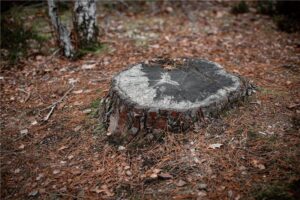
Emergencies feel over once the roof is patched and the limbs are off the lawn. The stump often remains. Stump Removal & Grinding closes the loop. Most residential stumps grind in 30 to 60 minutes, depending on species and size. Dense woods like oak grind slower than soft pines. We chase lateral roots if they present a tripping hazard or interfere with replanting. If you plan a new tree, we recommend shifting the planting hole 3 to 6 feet from the old center and importing fresh soil, because grinding leaves wood chips that tie up nitrogen for a season.
Sometimes the conversation turns to root damage beneath hardscapes. A heaved walk or cracked drive tells a longer story about soil volume and species choice. After emergency work, we can propose hardscape-friendly replacements, small maturing species, and structural soils if you plan to rebuild. These secondary steps reduce the odds of repeat calls in five years.
Pricing, timing, and how to avoid surprises
Emergency work is not cheap, but it should be transparent. After-hours dispatch, overtime, and specialized equipment increase rates. A basic make-safe for a medium limb on a fence might land in the few hundreds when access is simple. Night crane work on a https://griffinxthi526.lucialpiazzale.com/assessing-risk-dangerous-tree-assessment-and-removal multi-leader willow over a house can enter the several thousands, especially if utilities shut down the street. Clear estimates with ranges and scope notes prevent misunderstandings. Ask what is included, debris hauling, stump grinding, roof drying, tarping, and what triggers a change order, for example unexpected internal rot that alters rigging plans.
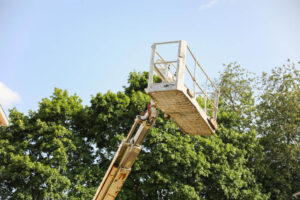
If you manage multiple properties, consider a standby agreement. We set response windows, typically 2 hours for life-safety hazards and 4 hours for property-only risks, and maintain site maps in our system. That front-loading shaves time when the wind picks up and phones light. For single-family homes, keeping your driveway dimensions, gate codes, and utility shutoffs on file yields similar dividends.
Preparing your trees for the next storm
The best emergency is the one you never need. Preventive care reduces calls at night. Regular Tree Pruning & Crown Shaping removes weak attachments before they rip free. Weight reduction on over-extended limbs, especially on species prone to breakage like silver maple or Bradford pear, pays off under wet snow. For trees with strong sentimental value or high target value below, Tree Cable and Bracing can quiet the creaks in a gale. On larger properties, a seasonal walk with a Certified Arborist catches problems early, fungal fruiting bodies at the base of a beech, a lightning scar on an oak, soil subsidence around a spruce.
I like to map wind exposure. A tree that shrugged off storms for decades might become newly vulnerable after a neighboring removal opens a wind corridor. New additions to your home, sheds, play structures, and solar panels on the roof all change the calculus of consequence. An annual review aligns tree structure with the evolving site.
Real scenes, real decisions
Two stories illustrate the range. After a summer microburst, a mature red oak split along a union and pressed a 14-inch leader onto a slate roof. It was 10 p.m., lightning still flickering. We set a line from a neighboring tulip poplar, installed a friction device at the base, and staged a climber under a ridge tie. Three controlled cuts later, the leader swung free without a slate cracked. Insurance covered interior drying from minor seepage. The homeowner later chose cable and reduction pruning on the remaining leaders. That tree is still there, balanced and strong.
Contrast that with a roadside cottonwood with a hollow base, struck by a box truck in icy rain. The trunk leaned toward a crosswalk. Internal sounding suggested less than 10 percent sound wall in the compression zone. Removal was non-negotiable. With police blocking the lane and the utility standing by, we pieced it down with a crane in ninety minutes. Traffic resumed. The stump ground the next day, and the city planted a smaller, wind-firm elm cultivar in spring.
How to choose the right partner, fast
When you search “Emergency Tree Services near me” at midnight, the results look alike. There are differences that matter. Look for a company that lists ISA credentials, carries liability and workers’ compensation, and can show job photos of complex rigging, not just brush piles. Ask who answers after hours and how they prioritize calls. If you hear a scripted answer without specifics, keep calling. If they ask smart questions about utilities, targets, and access, that is a good sign.
One more thing, chemistry counts. Emergency work puts people under stress. A crew that calms the scene, explains the sequence, and respects your property eases more than just hazard. I tell my team that we are in the peace-of-mind business as much as the wood-moving business.
The service suite, from crisis to care
A competent firm wraps emergency response into a full set of services so your property moves from crisis to resilience. Tree Removal Services when needed, Stump Removal & Grinding to clear the footprint, Tree Pruning & Crown Shaping to set the canopy up for healthy growth, and Certified Arborist Consultation to plan long term. For unstable structures, Tree Cable and Bracing reduces risk without sacrificing the tree you love. Dangerous Tree Assessment and Removal anchors decisions in evidence, not guesswork. FireSmart Tree Services prepare the landscape for the hard seasons.
These are not menu items to check off in one visit. They form a cycle. A storm exposes weaknesses. Emergency work makes you safe. Follow-up pruning and structural support reduce the odds of a repeat. Periodic inspections keep you ahead of disease and pests. If a tree must go, thoughtful replacement planting rebuilds the canopy with species diversity and right-size choices so roots and branches fit your site.
Final thoughts before the wind picks up again
If you are reading this while a limb rests on your roof, breathe. Clear the people first, call the utility if lines are involved, document safely, and get a capable crew en route. If you are reading this on a calm day, use that gift. Schedule a walk with an arborist, trim what needs trimming, brace what is worth bracing, and plan for fire and wind the way you plan for snow tires or a sump pump.
Trees give more than shade. They frame memories and anchor neighborhoods. Caring for them in a crisis, then caring for them in the quiet months, is how we keep both the canopy and the community strong. When minutes matter, a rapid response is the start. What follows, the judgment calls, the careful cuts, and the steady maintenance, is what keeps the next storm from becoming a story you tell for the wrong reasons.
Ace Tree Services Ltd.
Name: Ace Tree Services Ltd.Address: 4656 Wallace Hill Road, Kelowna, BC
Postal code: V1W 4C2
Phone: 250-212-9593
Website: https://acetree.ca/
Hours:
Monday: 7:00 AM - 5:00 PM
Tuesday: 7:00 AM - 5:00 PM
Wednesday: 7:00 AM - 5:00 PM
Thursday: 7:00 AM - 5:00 PM
Friday: 7:00 AM - 5:00 PM
Saturday: 7:00 AM - 5:00 PM
Sunday: Closed
Open-location code (plus code): RHF8+8G Kelowna, British Columbia, Canada
Map/listing URL: https://www.google.com/maps/place/Ace+Tree+Services+Ltd./@49.8232606,-119.4337283,659m/data=!3m2!1e3!4b1!4m6!3m5!1s0x537d8b1d074815c5:0x450b88afa7a41435!8m2!3d49.8232606!4d-119.4337283!16s%2Fg%2F11ydkpnh22
Embed iframe:
"@context": "https://schema.org", "@type": "HomeAndConstructionBusiness", "name": "Ace Tree Services Ltd.", "url": "https://acetree.ca/", "telephone": "250-212-9593", "address": "@type": "PostalAddress", "streetAddress": "4656 Wallace Hill Road", "addressLocality": "Kelowna", "addressRegion": "BC", "addressCountry": "CA" , "openingHoursSpecification": [ "@type": "OpeningHoursSpecification", "dayOfWeek": "https://schema.org/Monday", "opens": "07:00", "closes": "17:00" , "@type": "OpeningHoursSpecification", "dayOfWeek": "https://schema.org/Tuesday", "opens": "07:00", "closes": "17:00" , "@type": "OpeningHoursSpecification", "dayOfWeek": "https://schema.org/Wednesday", "opens": "07:00", "closes": "17:00" , "@type": "OpeningHoursSpecification", "dayOfWeek": "https://schema.org/Thursday", "opens": "07:00", "closes": "17:00" , "@type": "OpeningHoursSpecification", "dayOfWeek": "https://schema.org/Friday", "opens": "07:00", "closes": "17:00" ], "geo": "@type": "GeoCoordinates", "latitude": 49.8232606, "longitude": -119.4337283 , "hasMap": "https://www.google.com/maps/place/Ace+Tree+Services+Ltd./@49.8232606,-119.4337283,659m/data=!3m2!1e3!4b1!4m6!3m5!1s0x537d8b1d074815c5:0x450b88afa7a41435!8m2!3d49.8232606!4d-119.4337283!16s%2Fg%2F11ydkpnh22"
Ace Tree Services Ltd. provides professional tree removal, pruning, stump grinding, emergency response, and arborist consultations for properties in Kelowna and across the Okanagan Valley.
The company works with homes, commercial properties, and municipal settings where tree work needs to be planned carefully around buildings, fences, driveways, landscaping, and other site constraints.
Based in Kelowna, the team is positioned to help nearby neighbourhoods and surrounding Okanagan communities with routine tree care and time-sensitive storm cleanup.
Customers looking for careful tree work often want a crew with certified arborist training, insurance, and a methodical approach to higher-risk removals.
Services also include dangerous tree assessment, cabling and bracing, and wildfire risk reduction tree work for properties that need longer-term planning.
To request a quote or discuss tree care options, call 250-212-9593 or visit https://acetree.ca/.
A public map listing is available to help customers confirm the business location and get directions before a site visit or estimate.
For Kelowna property owners who need pruning, removals, or emergency tree help, a local tree service can make it easier to schedule site-specific recommendations and cleanup.
Popular Questions About Ace Tree Services Ltd.
What services does Ace Tree Services Ltd. provide?Ace Tree Services Ltd. lists tree removal, stump removal and grinding, tree pruning and crown shaping, emergency tree service, arborist consultation, dangerous tree assessment and removal, cabling and bracing, and wildfire risk reduction tree work.
Who does Ace Tree Services Ltd. serve?
The company describes its work as serving homes, businesses, and municipalities in Kelowna and across the Okanagan Valley.
Is emergency tree help available?
Yes. Emergency service is listed for downed or uprooted trees, dangerous tree assessment, stabilization work, and branch cleanup. If a tree is near power lines, the safest first step is to stay clear and contact the utility provider before any tree work begins.
Do I always need a permit to remove a tree?
Not always. Permit requirements can depend on where the tree is located and whether it is near a creek, lake, steep slope, or another protected area. It is best to check local rules for the specific property before removal work starts.
How deep does stump grinding usually go?
Standard stump grinding is typically described as going about 6 to 12 inches below ground level, which is often enough for grass or surface landscaping. Deeper grinding may be possible when site plans call for it.
How much of a tree can be safely removed at one time?
That depends on the species, age, health, and structure of the tree. In practice, good pruning is usually about removing the right limbs for health, clearance, and structure rather than chasing a fixed percentage.
What are common signs that a tree may be dangerous?
Large dead limbs, visible cracks, a new lean, root damage, canopy dieback, or storm-related damage can all be warning signs. Trees near structures deserve extra attention when any of those issues appear.
What is cabling and bracing in tree care?
Cabling and bracing are support systems used to reduce the risk of failure in trees with structural weaknesses that may still be worth preserving. They are generally used to add support, not to replace good assessment and ongoing maintenance.
How do I contact Ace Tree Services Ltd.?
Call 250-212-9593.Website: https://acetree.ca/.
Landmarks Near Kelowna, BC
Downtown KelownaThe downtown core is a practical reference point for lakefront neighbourhoods, mixed-use streets, and central residential properties. If your property is near downtown, tree pruning, removals, and cleanup can be planned around tighter access and nearby structures.
Knox Mountain Park
This well-known park north of downtown is a recognizable landmark for nearby homes and hillside properties. If you are close to this area, ask about tree assessment, trimming, or removal work suited to sloped sites.
Mission Creek Greenway
The greenway runs through several parts of Kelowna and is a useful landmark for nearby residential areas. If your property borders or sits near this corridor, site-specific tree planning is especially important.
Pandosy Village
Pandosy is one of Kelowna’s most recognizable neighbourhoods and a common reference point for south-central properties. If you are nearby, request help for pruning, removals, or storm cleanup around homes and small commercial sites.
Rutland
Rutland is a major east Kelowna neighbourhood with a mix of residential and local commercial properties. If you are located in or near Rutland, tree work can be scheduled for both routine maintenance and urgent situations.
Landmark District
This central business-focused area is a practical landmark for offices, service properties, and nearby residential streets. If your site is near the district, ask about careful tree work around parking, access lanes, and built-up lots.
Kelowna’s North End
The North End sits on the edge of downtown and is a useful reference for nearby homes, industrial sites, and commercial properties. If you are in this part of the city, request tree care based on the layout and constraints of the lot.
Airport District
The Airport District is a recognizable north Kelowna reference point for surrounding properties and access routes. If you are in this area, ask about tree services for residential acreage, commercial sites, or roadside cleanup needs.
Glenmore & Dilworth
These established Kelowna neighbourhoods are useful landmarks for central and north-central service calls. If your property is nearby, pruning and removal work can be tailored to mature trees and established landscapes.
Highway 97 Corridor
Highway 97 is one of the city’s main travel routes and a common way to describe location within Kelowna. If your home or property is just off the corridor, a clear landmark reference can help speed up quote scheduling and site planning.