Emergency Tree Services for Driveway and Road Access
Blocked driveways and impassable roads are more than a nuisance. They slow ambulances, strand families, halt deliveries, and compound storm damage by delaying repairs. When a tree falls across your only access, minutes matter. The work to clear it looks straightforward from the curb, yet the safest path to open a lane depends on wood fiber under tension, unseen root failures, live utility lines, soil saturation, traffic flow, and the architecture of your driveway or lane. This is where Emergency Tree Services become a specialty rather than a subset of general Tree Removal Services.
I have spent nights setting cones in freezing rain and dawns anchoring winch lines on soft https://acetree.ca/tree-pruning-and-crown-shaping/ shoulders. The pattern repeats: fast scene assessment, controlled cuts, disciplined rigging, and relentless attention to what could go wrong. The goal is simple and measurable, get wheels rolling again, but the decisions behind that outcome require experience and restraint.
First priorities when a tree blocks access
Think safety, then access, then cleanup. Clearing a path is not the same as full removal, and trying to do everything at once often creates more hazards. If you can only remember a few actions in the moment, keep them short and focused.
- Stay clear of power lines, including service drops to the house. If any line is down or entangled, assume it is live and call the utility before anything else.
- Keep people and pets away from undercut limbs, leaning trunks, and any vehicle trapped beneath.
- If you can, photograph the scene for insurance and note the time and weather.
- Call a provider that offers 24 and 7 Emergency Tree Services and ask about certified arborist oversight. Provide access details such as gate codes and road width.
- If the blockage is on a public road, notify the non-emergency police line or public works so traffic control can be coordinated.
Those five steps sound simple, but they prevent the common pitfalls that add hours and cost: energized wires, unreported hazards, and crews arriving without the right equipment because the dispatcher did not get clear information.
What professionals do on arrival
An emergency response feels fast because it is, yet it follows a checklist developed from hard lessons. The objective is to open a safe lane quickly while controlling risk to people, property, and remaining trees.
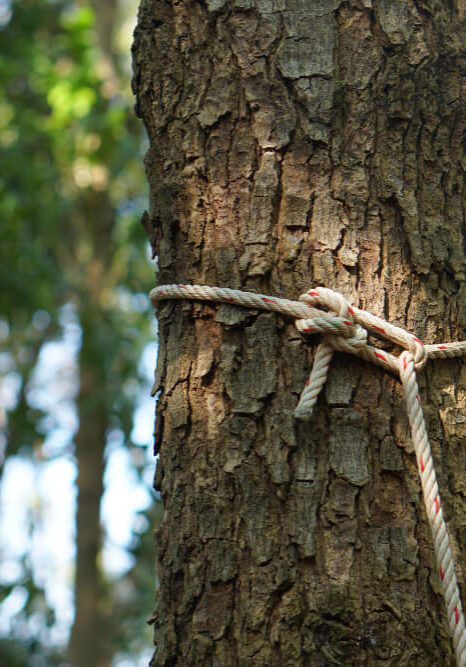
- Size up the scene. Confirm utilities, traffic, slope, soil condition, tree species, diameter, and where the wood is carrying tension or compression.
- Establish a safety perimeter and traffic plan, using cones, spotters, and lights. On public ways, coordinate with police or flaggers.
- Decide on the minimum viable clearance, often one passable lane, and choose between cutting on site, mechanical movement with winch or skid steer, or crane assist.
- Execute controlled cuts and rigging, relieve binds methodically, and stage debris out of the travel path.
- Reassess the standing remnant and adjacent trees for Dangerous Tree Assessment and Removal or temporary stabilization with Tree Cable and Bracing.
This workflow is consistent whether the job is a spruce across a gravel drive or a red oak through a culvert on a collector road. The variables are the load paths, the ground, and the tolerance for damage. A crushed mailbox is replaceable. A compromised retaining wall is not.
Reading tension, reading the site
Most driveways are not flat, and most fallen trees are already in motion. A trunk pinned across asphalt can hide a bottom kerf under crushing load. The fibers will pinch a bar if the first cut goes in the wrong place. Crews trained in bind cuts look for compression, then open a relief cut on the compressed side, then complete the cut from the tension side. On a driveway with a crown, water runs to the shoulders that may be soft or undermined. A chunk rolling off the cut can collapse the edge and take a skid steer with it. We stack chocks before we cut, not after.
Species matters. Cottonwood shreds and parts react unpredictably. Douglas fir holds together and telegraphs tension more cleanly. Dead ash snaps, live ash bends. Knowing those differences affects where you stand and how you finish a cut. A standard 30 inch diameter trunk across a 12 foot drive can weigh 800 to 1,200 pounds in each segment. That is enough to pinch steel and crush feet, which is why we place cribbing, use wedges, and never chase a stuck bar with a second saw.
Utilities turn a blocked drive into a no-go without clearance
Service drops sag under tree weight and can look innocuous in daylight. They are not. Even cable or telecom lines can wrap a chainsaw operator and pull a bar unexpectedly. On public roads, primary lines complicate everything. Utilities will usually respond within a range, 30 to 180 minutes, depending on storm load and region. If a live line is involved, the best Emergency Tree Services stay off the tree until a utility rep grounds and confirms the line is safe. That pause frustrates homeowners, and it also prevents fatalities.
We also check for buried utilities before anchoring. In older neighborhoods, gas risers and shallow water lines sit near the edge of pavement. A ground anchor can puncture a line if placed casually. When time allows, we use utility maps and a quick walkdown to choose anchor points on heavy trees, not earth alone.
Traffic control is not optional on busy roads
A single lane closure on a rural road during daylight may need nothing more than cones and a spotter. A tight curve on a downhill grade in rain is different. Crews set up signs beyond the sight line, stagger work in between gaps, and pull equipment well off the live lane when possible. Police presence speeds compliance. Flashing beacons on a chipper attract drivers who want to ask questions at exactly the wrong moment. Good crews designate a communicator who stands back from the cut and answers, so the cutter can focus.
On HOA private roads, expect neighbors to appear with good intentions and garden saws. Give them a role that keeps them safe, such as gate holding or driving around to alert residents, not cutting. The liability profile of public versus private roadway work is also different. Permits may be required for closures longer than a fixed window, often 20 to 60 minutes.
Driveway constraints shape the plan
Every driveway has its Achilles heel. Narrow throats between stone pillars restrict loader access. Paver driveways scuff and settle under tracked machines. Fresh asphalt bleeds under steel outriggers. Wooden bridges and culverts collapse if you roll a loaded skid steer across them. We walk the route before we bring in weight, then we lay protection: ground mats, plywood, or cribbing. A crew can often open a 10 foot travel lane by rolling stems to the shoulder rather than chipping them on site. That decision saves time and prevents machine damage to surfaces.
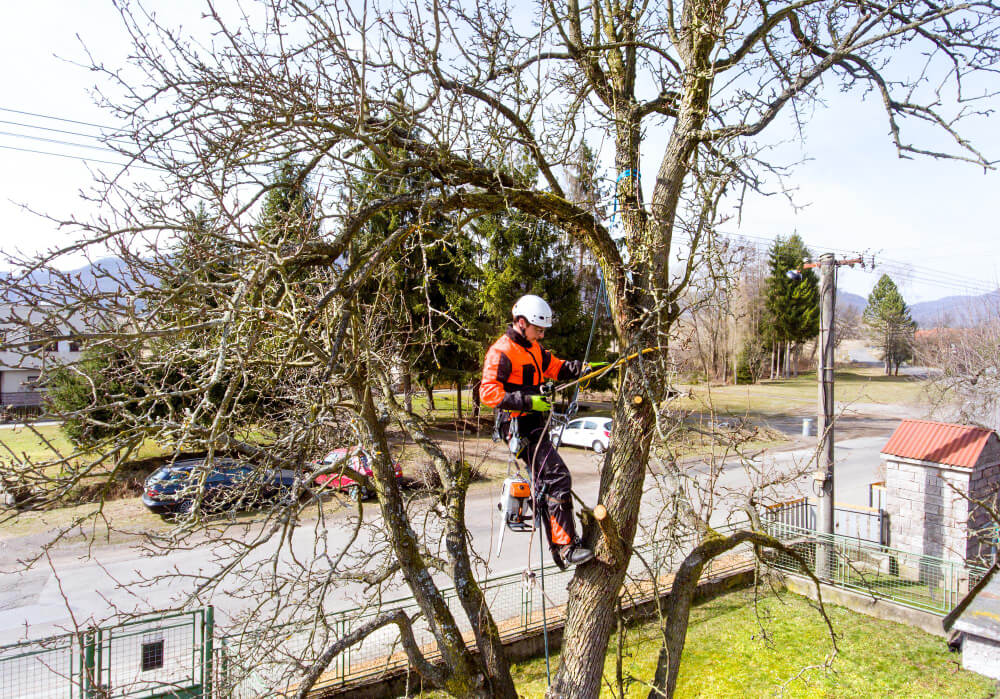
Steep grades create runaway risks. A 6 foot round rolling down a 10 percent slope can outrun a crew member and flatten a mailbox before anyone moves. In those cases we run a tagline uphill before the cut, so gravity has a leash.
Night work and winter conditions
Night calls distort depth perception and hide windfall across ditches. We bring light towers and headlamps, and we position trucks to cast shadow behind the cutter, not in front. Cold plastic cones shatter on contact at subzero temperatures. In snow, trunk segments freeze to pavement, and a bar throws less chips and more slush. We carry sand, not just salt, to make footing. Chains on small equipment help, yet they also scar decorative driveways, so we layer mats.
In wind, we make fewer big cuts. Large pieces swing under gusts and behave poorly on taglines. We downsize the rounds and stop more frequently to reset. Time increases, but control improves.
Prevention, not just response
Emergency Tree Services earn their keep on the worst days, but the best value for homeowners lives in prevention. Pruning over roads for clearance and form reduces sail area and removes weak attachments before they fail. Thoughtful Tree Pruning & Crown Shaping lowers the likelihood of long levers over lanes. A Certified Arborist Consultation can identify which leaders to reduce, how to balance a canopy, and where to thin without destabilizing the tree. Cutting too much out of the interior creates a lollipop effect that can make wind throw more likely; a certified plan prevents that.
On slopes above driveways, a Dangerous Tree Assessment and Removal may be the right answer even when a tree still looks green. Fungus at the base, a seam along the trunk, soil lifting on the uphill side, and recent excavation near roots are red flags. I have recommended removal for a 24 inch hemlock perched above a blind curve, then watched a storm drop it exactly where it would have landed if we had waited a month. The client slept better that winter.
Cable systems help when two codominant stems loom over a lane. Tree Cable and Bracing redistributes loads during wind events. The hardware is not a forever fix, and it must be inspected and adjusted every few years. Used correctly, it can defer removal for decades.
Access and FireSmart planning for rural properties
Rural driveways and private lanes double as fire access routes. If fire trucks cannot get through, insurance underwriters take notice. FireSmart Tree Services start with vertical and horizontal clearance. Aim for 14 to 16 feet of vertical clearance for apparatus, and 12 to 20 feet of horizontal access depending on your road geometry. Ladder fuels like tall shrubs under conifers near the drive act like kindling. Limbing conifers up 6 to 10 feet and keeping grasses short changes fire behavior in your favor.
Turnarounds matter. A 40 foot fire engine will not back a quarter mile uphill to a house. If you cannot construct a full hammerhead, create a widened area where a large pickup can turn. In practice, that same space becomes a staging pad for Emergency Tree Services during storms. We often grind stumps there so mats and outriggers have a stable pad later.
Stump Removal & Grinding after clearance
In an emergency, the decision to leave a short stump near the shoulder is common because it buys time. After the lane is open, you have options. Stump Removal & Grinding keeps the shoulder usable for plows and prevents tires from catching on wood. It also reduces future rot sinkholes in gravel drives. If erosion control is a concern, we backfill with clean material and compact it. On paved shoulders, we recommend a temporary steel plate or cold patch until full repairs, especially where a root pulled pavement up.
Occasionally, leaving a tall stump temporarily acts as an anchor for winching subsequent pieces. We cut that stump later, once the hazard is gone and the ground stabilizes.
Insurance, permits, and who pays for what
Most homeowners policies cover tree removal from driveways to restore access, up to a fixed limit that ranges from 500 to 2,500 dollars per incident. That limit may not cover full removal or cleanup beyond opening a lane. If a municipal tree fell, the city may cover removal from the public right of way but not private driveway damage. When a neighbor’s tree crosses the line, local rules vary. In practice, crews aim to open access first and sort payment later. Photographs, written estimates, and the work order that specifies emergency access restoration help smooth claims.
Public road closures require coordination. In many jurisdictions, only licensed contractors with insurance can work within the right of way. If your driveway meets a state or provincial highway, expect a permit or at least a call to the highway authority. During major storms, agencies relax paperwork to speed response, yet they still expect traffic control plans, even if improvised with flaggers.
Equipment choices determine speed and surface impact
A standard emergency rig includes multiple chainsaws, a griphoist or capstan winch, wedges, cribbing, ground protection mats, and a small loader or skid steer. For larger stems over sensitive surfaces, a crane can reduce risk. Cranes move weight vertically, which preserves pavement and stonework, but they require setup room and firm ground. On a narrow cul-de-sac with soft lawns, the loader with a log grapple may be faster and kinder to the site, provided you lay mats where it turns.
Chippers are loud and slow the first phase of clearing. We often shove large brush to the side and return later for processing. If visibility around a curve is poor, chipping on the spot increases exposure to passing cars. Staging debris out of the lane, then returning for chip and haul, separates risk from cleanup.
Case notes from the field
A coastal windstorm pushed a Sitka spruce across a gravel lane, pinning a family minivan. No one was hurt, but the tree rested on a 10 degree slope with the garage downhill. The van made an inviting anchor point, yet anchoring to it risked crushing the roof if the line shock loaded. We climbed the uphill side, set a line 20 feet back to a live alder, and used a mechanical advantage to lift and roll the stem just enough to free a door, then the rest of the vehicle. Total time to open a lane, 70 minutes. Full removal and cleanup took another four hours the next day.
On a city street, a silver maple failed at the root during a thunderstorm, taking down a primary line and blocking a bus route. Utility response estimated 90 minutes. We set cones two blocks out, posted a spotter with a radio at each end, and staged saws and wedges, then waited. When the line crew de-energized and grounded, we relieved two heavy binds in sequence, keeping the butt from kicking by cribbing the underside. A crane would have saved time, but the nearest setup was on deteriorated brick. The loader on mats kept weight distributed, and the road reopened to one lane in under 50 minutes after clearance.
A mountain community with a single ingress had repeated winter closures from snow-bent lodgepole pines. A Certified Arborist Consultation led to a two year plan: Tree Pruning & Crown Shaping for clearance, removal of six hazard stems through Dangerous Tree Assessment and Removal, selective Tree Cable and Bracing in a pair of scenic pines over the entrance, and a FireSmart Tree Services pass to create a 16 foot vertical corridor. The HOA also poured two compacted turnouts for future staging. Since then, three winters, zero full closures, and only two short service calls to plow windfall to a turnout until crews arrived.
Choosing the right provider for emergency access work
Not all Tree Removal Services are equal when the problem is a blocked road with live traffic and possible utilities. Ask who directs the job. A certified arborist does more than quote a price; they read tree structure and direct cuts that keep crews safe. Clarify 24 and 7 capability, typical response windows, and whether they own traffic control gear. A shop with climbers, a small loader, and a stock of mats will outperform a crew that only brings saws.
There is a time to save money, and a time to pay for speed and risk management. If your only exit is blocked and a family member needs medication, your priority is a fast lane opening, not the neatness of the brush pile. Communicate that clearly at dispatch.
Aftercare that makes the next storm easier
Once the lane is open and the stump is dealt with, think about shaping the site for the next event. If you have a history of washouts at the shoulder, add drainage improvements where the tree left a gap. Compact the edges. If the chipper has left a thick mat on the shoulder, redistribute it so it does not float onto the pavement in the next rain. Where repeated closures occur from the same stand, schedule a winter assessment for structural pruning. Winter cuts reduce disease vectors for many species, and frozen ground protects the drive during equipment moves.
Debris disposal choices matter. Leaving a loose pile near a curve invites it to slide into the lane. Buck and stack farther back or chip and haul. Some clients keep rounds for firewood, yet those stacks attract pests near the home. Keep them uphill and at least 30 feet from structures if wildfire is a concern.
Costs and timeframes you can reasonably expect
Emergency access work contains uncertainty. Yet patterns are predictable by category. A single trunk blocking a short driveway with no utilities and good access often opens in 45 to 120 minutes with two to three crew members. Add heavy bind, soft shoulders, or tight gates, and the range becomes two to four hours. Public road jobs with traffic control, utilities, and coordination can extend to half a day for clearance and days for full cleanup.
Pricing varies by region, but travel and off-hours premiums apply. Expect a minimum service charge for after-hours response, then hourly rates for crew and equipment. Stump Removal & Grinding is usually priced by diameter at ground level and accessibility. Ask whether your provider can stage partial work to meet insurance limits, for example, open lane now, leave full debris processing to a scheduled visit.
The value of documentation and communication
Good records shorten insurance calls and neighbor disputes. We document with time stamped photos, note utilities cleared, and capture the work scope, whether it was lane opening only or full removal. On shared lanes, keeping a simple log for the HOA helps budget and supports preventative work proposals.
Communication inside the crew matters as well. We use clear, predictable phrases, such as cutting, moving, clear, hold. Traffic spotters do not walk away to chat with neighbors. One person, ideally the lead or the arborist, decides when to stop cutting and reset the plan.
When full removal cannot happen immediately
Opening a lane is not the same as being done. Sometimes the safest option is to roll wood clear, stake caution tape, and leave final bucking and hauling for daylight or drier ground. We mark stubs and stakes with high visibility flags and reflective tape if snow is in the forecast. If a remaining hangup threatens to drop, we establish a no-go zone and return with a climber or lift. Temporary Tree Cable and Bracing can buy time under moderate conditions, but we tell clients plainly when a return visit must happen within days, not weeks.
Where pruning meets sightlines and safety
Many rural drives have blind curves pinched by hedge growth. Trimming for vehicle clearance is not enough if drivers cannot see around a bend. Strategic Tree Pruning & Crown Shaping with a view to sightlines reduces near misses and makes emergency response simpler. You do not need to scalp a hedge. A few selective reductions along the inside of the curve change visibility, especially if combined with reflective posts at the edge.
Why experience shows in the small choices
People often judge a job by the absence of damage and speed of reopening. Both are the product of small choices. Laying mats before a loader arrives. Placing the first cut where fibers crush rather than pull. Waiting for the utility even when a homeowner insists the line is just cable. Rolling debris to safe zones rather than filling the shoulder with chips that will migrate. Identifying a compromised neighbor tree and flagging it for follow up so next week’s wind does not undo today’s work.
Emergency Tree Services for driveway and road access sit at the intersection of arboriculture, logistics, and public safety. The best crews carry the tools and the judgment to move fast without rushing. They also offer the long view, from Certified Arborist Consultation and Dangerous Tree Assessment and Removal to Tree Cable and Bracing and FireSmart Tree Services that keep lanes clear when it matters most. If you plan ahead and choose partners who respect both trees and infrastructure, you will spend fewer nights staring at flashing lights at the end of your street and more days driving past healthy, well managed canopies that stay where they belong.
Ace Tree Services Ltd.
Name: Ace Tree Services Ltd.Address: 4656 Wallace Hill Road, Kelowna, BC
Postal code: V1W 4C2
Phone: 250-212-9593
Website: https://acetree.ca/
Hours:
Monday: 7:00 AM - 5:00 PM
Tuesday: 7:00 AM - 5:00 PM
Wednesday: 7:00 AM - 5:00 PM
Thursday: 7:00 AM - 5:00 PM
Friday: 7:00 AM - 5:00 PM
Saturday: 7:00 AM - 5:00 PM
Sunday: Closed
Open-location code (plus code): RHF8+8G Kelowna, British Columbia, Canada
Map/listing URL: https://www.google.com/maps/place/Ace+Tree+Services+Ltd./@49.8232606,-119.4337283,659m/data=!3m2!1e3!4b1!4m6!3m5!1s0x537d8b1d074815c5:0x450b88afa7a41435!8m2!3d49.8232606!4d-119.4337283!16s%2Fg%2F11ydkpnh22
Embed iframe:
"@context": "https://schema.org", "@type": "HomeAndConstructionBusiness", "name": "Ace Tree Services Ltd.", "url": "https://acetree.ca/", "telephone": "250-212-9593", "address": "@type": "PostalAddress", "streetAddress": "4656 Wallace Hill Road", "addressLocality": "Kelowna", "addressRegion": "BC", "addressCountry": "CA" , "openingHoursSpecification": [ "@type": "OpeningHoursSpecification", "dayOfWeek": "https://schema.org/Monday", "opens": "07:00", "closes": "17:00" , "@type": "OpeningHoursSpecification", "dayOfWeek": "https://schema.org/Tuesday", "opens": "07:00", "closes": "17:00" , "@type": "OpeningHoursSpecification", "dayOfWeek": "https://schema.org/Wednesday", "opens": "07:00", "closes": "17:00" , "@type": "OpeningHoursSpecification", "dayOfWeek": "https://schema.org/Thursday", "opens": "07:00", "closes": "17:00" , "@type": "OpeningHoursSpecification", "dayOfWeek": "https://schema.org/Friday", "opens": "07:00", "closes": "17:00" ], "geo": "@type": "GeoCoordinates", "latitude": 49.8232606, "longitude": -119.4337283 , "hasMap": "https://www.google.com/maps/place/Ace+Tree+Services+Ltd./@49.8232606,-119.4337283,659m/data=!3m2!1e3!4b1!4m6!3m5!1s0x537d8b1d074815c5:0x450b88afa7a41435!8m2!3d49.8232606!4d-119.4337283!16s%2Fg%2F11ydkpnh22"
Ace Tree Services Ltd. provides professional tree removal, pruning, stump grinding, emergency response, and arborist consultations for properties in Kelowna and across the Okanagan Valley.
The company works with homes, commercial properties, and municipal settings where tree work needs to be planned carefully around buildings, fences, driveways, landscaping, and other site constraints.
Based in Kelowna, the team is positioned to help nearby neighbourhoods and surrounding Okanagan communities with routine tree care and time-sensitive storm cleanup.
Customers looking for careful tree work often want a crew with certified arborist training, insurance, and a methodical approach to higher-risk removals.
Services also include dangerous tree assessment, cabling and bracing, and wildfire risk reduction tree work for properties that need longer-term planning.
To request a quote or discuss tree care options, call 250-212-9593 or visit https://acetree.ca/.
A public map listing is available to help customers confirm the business location and get directions before a site visit or estimate.
For Kelowna property owners who need pruning, removals, or emergency tree help, a local tree service can make it easier to schedule site-specific recommendations and cleanup.
Popular Questions About Ace Tree Services Ltd.
What services does Ace Tree Services Ltd. provide?Ace Tree Services Ltd. lists tree removal, stump removal and grinding, tree pruning and crown shaping, emergency tree service, arborist consultation, dangerous tree assessment and removal, cabling and bracing, and wildfire risk reduction tree work.
Who does Ace Tree Services Ltd. serve?
The company describes its work as serving homes, businesses, and municipalities in Kelowna and across the Okanagan Valley.
Is emergency tree help available?
Yes. Emergency service is listed for downed or uprooted trees, dangerous tree assessment, stabilization work, and branch cleanup. If a tree is near power lines, the safest first step is to stay clear and contact the utility provider before any tree work begins.
Do I always need a permit to remove a tree?
Not always. Permit requirements can depend on where the tree is located and whether it is near a creek, lake, steep slope, or another protected area. It is best to check local rules for the specific property before removal work starts.
How deep does stump grinding usually go?
Standard stump grinding is typically described as going about 6 to 12 inches below ground level, which is often enough for grass or surface landscaping. Deeper grinding may be possible when site plans call for it.
How much of a tree can be safely removed at one time?
That depends on the species, age, health, and structure of the tree. In practice, good pruning is usually about removing the right limbs for health, clearance, and structure rather than chasing a fixed percentage.
What are common signs that a tree may be dangerous?
Large dead limbs, visible cracks, a new lean, root damage, canopy dieback, or storm-related damage can all be warning signs. Trees near structures deserve extra attention when any of those issues appear.
What is cabling and bracing in tree care?
Cabling and bracing are support systems used to reduce the risk of failure in trees with structural weaknesses that may still be worth preserving. They are generally used to add support, not to replace good assessment and ongoing maintenance.
How do I contact Ace Tree Services Ltd.?
Call 250-212-9593.Website: https://acetree.ca/.
Landmarks Near Kelowna, BC
Downtown KelownaThe downtown core is a practical reference point for lakefront neighbourhoods, mixed-use streets, and central residential properties. If your property is near downtown, tree pruning, removals, and cleanup can be planned around tighter access and nearby structures.
Knox Mountain Park
This well-known park north of downtown is a recognizable landmark for nearby homes and hillside properties. If you are close to this area, ask about tree assessment, trimming, or removal work suited to sloped sites.
Mission Creek Greenway
The greenway runs through several parts of Kelowna and is a useful landmark for nearby residential areas. If your property borders or sits near this corridor, site-specific tree planning is especially important.
Pandosy Village
Pandosy is one of Kelowna’s most recognizable neighbourhoods and a common reference point for south-central properties. If you are nearby, request help for pruning, removals, or storm cleanup around homes and small commercial sites.
Rutland
Rutland is a major east Kelowna neighbourhood with a mix of residential and local commercial properties. If you are located in or near Rutland, tree work can be scheduled for both routine maintenance and urgent situations.
Landmark District
This central business-focused area is a practical landmark for offices, service properties, and nearby residential streets. If your site is near the district, ask about careful tree work around parking, access lanes, and built-up lots.
Kelowna’s North End
The North End sits on the edge of downtown and is a useful reference for nearby homes, industrial sites, and commercial properties. If you are in this part of the city, request tree care based on the layout and constraints of the lot.
Airport District
The Airport District is a recognizable north Kelowna reference point for surrounding properties and access routes. If you are in this area, ask about tree services for residential acreage, commercial sites, or roadside cleanup needs.
Glenmore & Dilworth
These established Kelowna neighbourhoods are useful landmarks for central and north-central service calls. If your property is nearby, pruning and removal work can be tailored to mature trees and established landscapes.
Highway 97 Corridor
Highway 97 is one of the city’s main travel routes and a common way to describe location within Kelowna. If your home or property is just off the corridor, a clear landmark reference can help speed up quote scheduling and site planning.