Consult a Certified Arborist for Long-Term Tree Health
Trees reward patience. They grow on timelines measured in decades, sometimes centuries. The decisions you make early in a tree’s life ripple forward, shaping its structure, its safety, and how much joy or shade it offers. I have watched good trees thrive because a homeowner brought in a professional at the right time, and I have watched promising trees fail because small problems went unseen for too long. A Certified Arborist Consultation is not a luxury, it is the difference between guesswork and stewardship.
What a proper consultation really looks like
A thorough arborist visit starts at ground level, not at the canopy. We look at the site first. Soil type, grading, drainage patterns, and competition from turf or hardscape tell an immediate story. I probe the root flare to see if it is visible or buried, and I look for girdling roots, mushrooms, and heaving that hint at instability. The trunk comes next. We scan for bark damage, cankers, seams, and old pruning wounds. Up in the crown we check branch unions, deadwood, leaf density, and the distribution of load. On certain trees or risky sites, we may bring out a resistograph, an increment borer, or sonic tomography to evaluate internal wood strength. None of this is guesswork. It is a stepwise assessment that ends with practical recommendations, not just a bill.
The best consultations also consider your goals. Do you want deeper shade over a patio by midafternoon? Less debris in the pool? Privacy from a neighboring window? If a tree is near a roof or service drop, clearance guidelines and utility coordination shape the plan. A good arborist will translate your objectives into timing, pruning strategy, and soil care that stretches over years rather than a single visit.
The lens of tree biology
Trees are not simply tall shrubs. They store energy, allocate resources, and respond to injury in ways that deserve respect. When you understand how compartmentalization of decay works, you stop making flush cuts. When you know that roots extend at least as far as the drip line in most soils, you stop stacking new soil or paving over that zone. When you realize that a heavy late summer prune forces unwanted regrowth and stresses a tree before dormancy, you schedule work earlier or wait until the tree is asleep. These are not fussy details. They decide whether your investment grows stronger each year or slowly loses resilience.
Tree Pruning & Crown Shaping is not just cutting branches to a pleasing outline. It is selective reduction and thinning to create clearance, reduce end weight on long laterals, clean out deadwood, and improve wind flow. Different species tolerate different amounts of live tissue removal. I rarely recommend taking more than 20 to 25 percent of live crown at once, and on mature oaks we often take less than that. Young trees, pruned correctly in their first 5 to 10 years, will develop balanced scaffolds that require far less corrective work later. That early structural pruning has one of the highest returns of any tree service.
Risk, liability, and judgment
I am often called in after a storm, when a failed limb has smashed a fence or a hung branch is dangling over a driveway. Homeowners want clear answers: Is the tree dangerous? Do we have to remove it now? A Dangerous Tree Assessment and Removal decision combines visual cues, simple measurements, species knowledge, and site targets. Not every defect requires removal. A codominant union without a bark inclusion might be manageable with weight reduction or Tree Cable and Bracing. A low vigor spruce with a trunk canker leaning toward a bedroom might need urgent action.
The most honest arborists will explain the gray areas. Trees live with defects for years, even decades. We measure risk as a combination of likelihood and consequence. On a rural property with open fields, marginal risk may be tolerable. Over a playground or roadway, the same risk is unacceptable. Where pruning cannot mitigate the hazard adequately, we recommend Tree Removal Services. We plan those removals with rigging strategies that protect nearby structures and plantings. If the tree fails outside business hours or drops a limb onto essential access, Emergency Tree Services keep people safe and clear the scene so repairs can begin.
Cable and bracing, used well and not as a crutch
Support systems are tools, not solutions to every structural flaw. Tree Cable and Bracing reduces the likelihood of a limb or trunk splitting by sharing load and limiting movement under wind or snow. A typical setup involves static steel cables or dynamic systems rated for expected loads, installed at proper angles and positions. Braces, threaded rods through weak unions, are added when cracks or significant separation exists. I tend to use dynamic systems on healthy, flexible trees that would benefit from controlled movement. Static systems are better where we want to restrict motion strongly.
The trade-off is long-term responsibility. Hardware must be inspected every year. As trees grow, cables need to be adjusted or replaced. If you do not commit to that follow-up, do not install a system you will forget about. The decision to support rather than remove should also consider species. Soft-wooded trees that compartmentalize poorly might fail beyond the hardware in a big storm. An experienced arborist will tell you when cabling extends safe life meaningfully and when it simply delays the inevitable.
Soil, roots, and the quiet killers
Most tree problems start underground. Compacted soil starves roots of oxygen. Buried root flares invite decay. Poor drainage suffocates fine roots after heavy rain. I make a habit of taking a soil core when possible. The test is simple and the results change the plan. If organic matter is low and pH is off for the species, we adjust. Aeration with an air spade can break up compaction without tearing roots. Vertical mulching around the drip line creates pockets for water and oxygen exchange. Arborist wood chips, three to four inches deep and pulled back from the trunk, do more for tree health than almost any fertilizer. They moderate soil temperature, retain moisture, and feed the microbial life that trees rely on. If you want one habit that keeps trees happy for years, it is simple mulching done right.
Watering is nuanced. A newly planted tree wants deep, infrequent watering that wets the entire root ball and a bit beyond, then time for oxygen to return. Mature trees in drought need relief too, but not daily sprinkling. A slow soak every 10 to 14 days in dry spells, adjusted for soil and species, is a better fit. With a Certified Arborist Consultation, you get a schedule that reflects your site and your trees, not a generic template.
Disease and insects, without the panic
Healthy trees still get sick. The goal is early detection and proportionate response. I see more harm done by overreactions than by pests themselves. A few aphids or minor leaf spot do not demand heavy applications. On the other hand, emerald ash borer, Dutch elm disease, and oak wilt require decisive management. We talk about thresholds, monitoring, and targeted treatments when warranted. Trunk injections make sense in certain cases. They also have costs and trade-offs, including potential wounding and the need for repeat dosing. Honest dialogue matters here. If a treatment only buys 3 to 5 years on a declining tree and the removal cost looms anyway, we plan the timing and replacement strategy now instead of letting the problem peak at a bad moment.
Pruning that adds decades
I have shaped young street trees in spring, watched them set strong unions, and returned years later to see intact crowns after windstorms that tore through the block. That is not luck. Well executed Tree Pruning & Crown Shaping follows natural branch architecture. We favor strong, U-shaped unions and reduce heavy laterals that overextend. We remove crossing and rubbing limbs before they cause wounds. Timing matters. Late winter into early spring is excellent for many species because wounds close quickly with spring growth, and disease pressure is lower. Some trees, such as maples and birches, bleed sap heavily in early spring, so mid to late https://pastelink.net/v553qwre summer pruning in dry weather reduces that. Flowering trees are pruned after bloom if we want to preserve next year’s buds. These details stack up to healthier canopies and less corrective work later.
Expectations matter too. If you want to raise a canopy for street clearance or mower access, we lift it gradually over seasons to avoid stress. If you ask for aggressive topping to reduce height, a responsible arborist will decline and propose reduction cuts that respect natural form. Topping creates decay, rampant suckering, and weakly attached regrowth. It costs you more in the long run and shortens life expectancy. There are legitimate cases for pollarding on certain species when managed consistently, but that is a planned system, not emergency height control.
FireSmart Tree Services where it counts
In fire-prone areas, mitigation is not optional. FireSmart Tree Services focus on creating defensible space, reducing ladder fuels, and breaking up continuous fuel beds that allow fire to race to structures. In practice, we thin within the first 1.5 to 10 meters around a building, remove deadwood, and separate crowns so they do not touch. We limb up conifers to reduce flame ladders, keep mulch and debris away from siding, and favor more fire-resilient species near structures. The work is surgical. Done badly, it scars the property and invites erosion. Done well, it improves safety while preserving shade and habitat. If you have a wooden fence that meets the house, consider breaking that fuel path with a noncombustible section. Small changes help firefighters defend your home when seconds matter.
When removal is the right call
I have argued passionately to save trees, and I have recommended removal when the calculus turned. Tree Removal Services are sometimes the only responsible path when structural defects, severe decline, or site conflicts add up. If a tree shows advanced root rot with fruiting bodies at the base, a severe lean with recent soil heaving, or significant trunk decay confirmed by testing, removing it can prevent greater loss later. The work is as much logistics as chainsaw. We plan rigging points, drop zones, and equipment access. In tight backyards we might bring in a compact lift or crane to control sections and protect landscaping. On properties with limited access, we piece down by hand.
After removal, you face a choice. Stump Removal & Grinding lets you reclaim the planting space or prevent suckering. A shallow grind may suffice for turf in a low traffic area. If you plan to replant a tree in the same spot, we often recommend a larger grind and soil amendment because chips and decayed wood can tie up nitrogen as they break down. When utilities are nearby, locates come first, and we grind with caution. If you prefer habitat value and aesthetics allow it, we can leave a wildlife snag at a safe height to support cavity-nesting birds and insects. Not every yard or municipality allows that, but it keeps some ecological function on site.
Emergencies and planning for the next storm
Emergency Tree Services exist for a reason. When a limb is lodged on a roof, when a split runs down a trunk after a snow load, or when a driveway is blocked, you need prompt, safe action. Crews work under pressure with unstable materials, and shortcuts cause injuries. I always advise homeowners to avoid do-it-yourself work in those moments. We stabilize, rig, and remove hazards methodically. After the immediate danger is past, we shift into prevention mode. That means thinning heavy crowns that sail in the wind, reducing end weight on overextended branches, and inspecting for cracks or decay that the storm revealed. The best emergency response is actually a steady program of structural pruning and inspections that make emergencies less likely.
Seasonal rhythms that trees respect
Trees keep their own calendars. The best care accounts for local climate, species, and the tree’s age. Here is a compact seasonal guide I use with many clients, with room to adapt to your site.
- Late winter to early spring: Structure-focused pruning on many species, soil tests, and mulch refresh. Plant bare-root stock if climate allows.
- Late spring to early summer: Monitor for pests and diseases at bud break and early leaf-out. Water new plantings deeply.
- Mid to late summer: Light thinning or deadwood removal in species that bleed in spring. Inspect cables and braces.
- Early fall: Root-zone work, air spade aeration, vertical mulching, and planting container or balled-and-burlapped trees with adequate aftercare.
- Late fall to early winter: Clearance pruning after leaf drop, storm-readiness checks, and FireSmart cleanups.
Permits, neighbors, and the urban forest
Cities and towns often protect certain species or set rules for diameter thresholds, especially on street trees or heritage trees. A responsible arborist helps you navigate permits and notifications. Ignore them and you risk fines or forced replacement planting plans that cost more than careful compliance. Property lines and shared shade can be delicate topics. I have mediated more than one neighbor dispute by explaining rights and responsibilities clearly, then offering a compromise pruning plan that preserves privacy and reduces debris. Communication with facts beats conflict fueled by assumptions.
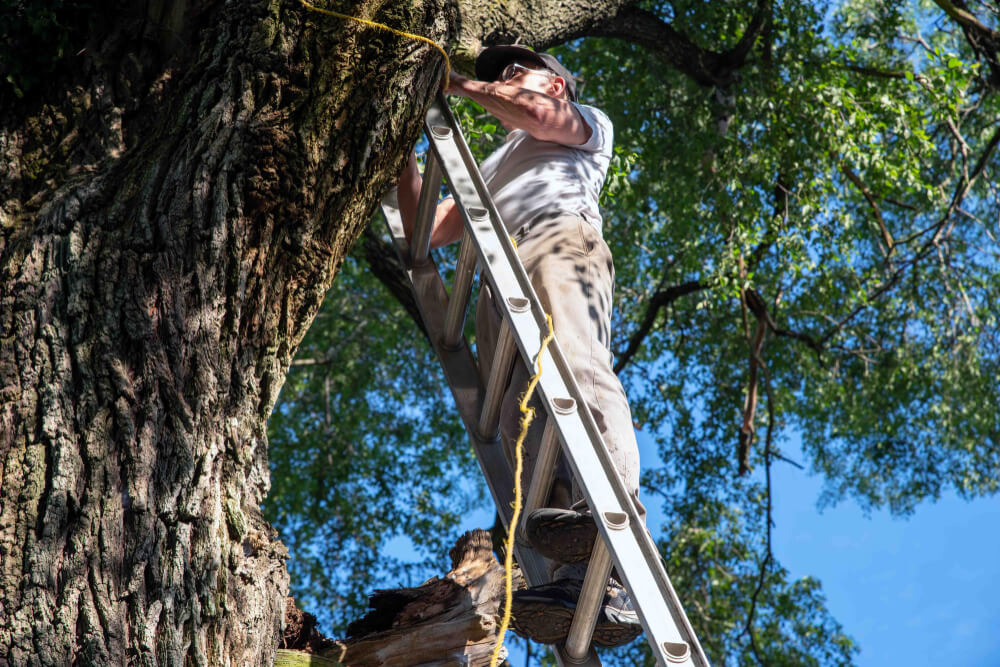
Urban forestry is bigger than individual yards. When you keep a mature tree healthy, your block stays cooler by measurable degrees during heat waves. Rain infiltrates rather than rushes into storm sewers. Birds and pollinators find continuity. Even resale values benefit. That is not sentiment, it is well documented. Your choices matter beyond the fence.
Choosing the right professional
Credentials signal baseline competence, but you also want judgment born of experience and a safety culture you can see. The wrong contractor can do more harm in an afternoon than weather will in a decade. I tell clients to keep their selection simple and rigorous.
- Confirm current certification and insurance, including workers’ compensation and liability.
- Ask for recent, local references and photos of comparable work.
- Expect a written scope with clear objectives, methods, and cleanup standards.
- Discuss safety protocols and equipment for your specific site, especially around utilities.
- Look for someone who can say no and explain why, not just sell what you asked for.
Costs that make sense over time
Sticker shock happens when people see a pruning estimate next to a cheaper alternative that promises faster work. The difference is often invisible up front and punishing later. Good arboriculture takes time: smaller cuts placed at the right locations, careful rigging, and cleanup that protects your soil and understory. On average, thoughtful structural pruning might cost a few hundred to a few thousand dollars depending on size and access. Removal climbs with risk and complexity. Crane work and tight quarters add hours. Cable and bracing are modest at installation, but you must budget for inspections every year or two. Stump grinding prices vary with diameter and access, but reclaiming a space for new planting is usually worth it.
Spending early can save multitudes later. A 90-minute training prune on a young shade tree might save thousands in crown restoration and hazard reduction 15 years down the road. Soil improvement that costs a few hundred can prevent declines that lead to removal. If budgets are tight, ask your arborist to prioritize work in phases. We do it all the time. Safety-critical items first, long-term structure next, aesthetics aligned with your goals after that.
Case notes from the field
A quarter acre lot with two red maples and a white pine tells a common story. The maples had co-dominant leaders and included bark. The homeowner wanted more light for the garden but loved the privacy those crowns gave. We reduced end weight on the longer leaders by 15 percent, installed a dynamic cable on the larger maple, and lifted both canopies slightly to push light later in the day. The white pine had a history of snow load damage. We removed deadwood, reduced a windward lateral that had overextended toward the house, and limbed up lower branches to improve FireSmart defensibility near a wooden deck. Three years later, after two heavy windstorms, the cable still reads true, unions have thickened, and the garden gets an extra hour of light with no loss of privacy.
Another property had a declining ash near a driveway. The owner hoped injections would save it. After a resistograph test showed substantial internal decay at the base and the canopy showed more than 40 percent dieback, we recommended removal. We scheduled the work before winter ice, coordinated a small crane due to limited backyard access, and finished Stump Removal & Grinding the same day. Before we left, we amended the soil and planted a tulip tree with a staking plan set for only one season. It is now in its fourth year and thriving.
When your plan needs a pivot
Trees change. Site conditions change. Renovations, new irrigation, or a neighbor’s removal can alter wind exposure and water availability. A plan set five years ago might deserve a tune-up today. That is where periodic Certified Arborist Consultation pays. I like annual or biennial walk-throughs. They take an hour, sometimes less, and reveal a lot. You might move up a pruning cycle, shift species for planned replacements, or add a cable before winter. The point is to see the future a little earlier, then act with purpose.
Safety you can measure
Ask any seasoned arborist to name the most important part of the job and you often hear the same word: safety. Reputable crews tie into approved anchor points, inspect gear daily, and use spotters when felling near targets. They know the difference between a secure work position and a risky reach. They keep drop zones clear, rope off pedestrian paths when working roadside, and coordinate with utilities rather than winging it. If you hear a crew dismiss PPE or rig without redundancy over a roof, stop the job. Professional tree care is dangerous by nature. The risk is managed by systems and culture, not bravado.
A living asset worth protecting
Every healthy, well placed tree is a small climate control system, a wildlife sanctuary, a structural element, and a piece of history in slow motion. It shades the bedroom in late afternoon, muffles traffic, and softens hard lines. It catches snow in winter and glows in backlight on late summer evenings. That value compels diligence. Bring in a professional voice early. Lean on Tree Pruning & Crown Shaping to build strong, balanced crowns. Use Tree Cable and Bracing where it extends a tree’s safe life, not just to postpone decisions. Protect the root zone with air, water, and mulch. Choose FireSmart Tree Services if fire is part of your reality. Accept Tree Removal Services when risk and decline outweigh benefits, and follow through with Stump Removal & Grinding when reclaiming the site makes sense. Keep Emergency Tree Services in your contacts for the rare times you need immediate support.
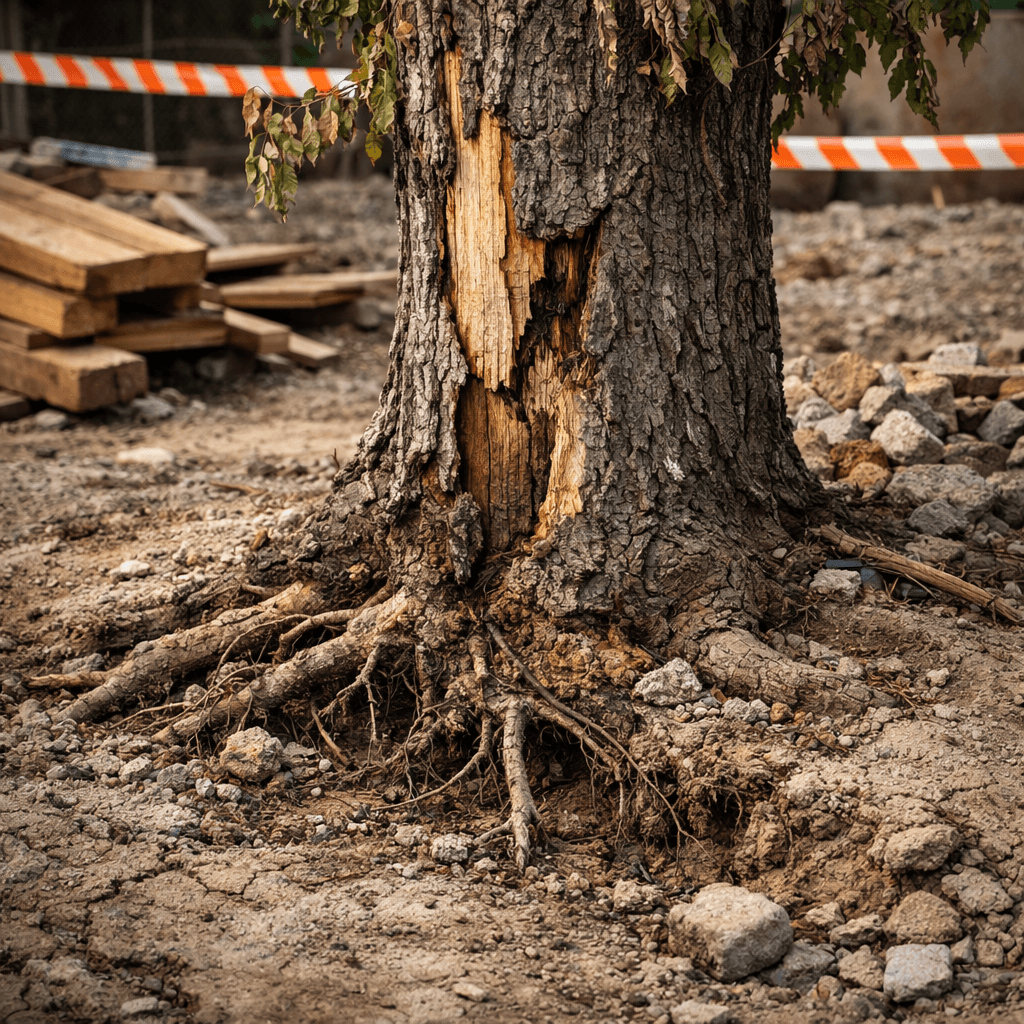
A good arborist is part scientist, part craftsperson, part guide. The best ones translate living systems into clear options and help you choose with confidence. Your trees will tell the rest of the story, year by steady year.
Ace Tree Services Ltd.
Name: Ace Tree Services Ltd.Address: 4656 Wallace Hill Road, Kelowna, BC
Postal code: V1W 4C2
Phone: 250-212-9593
Website: https://acetree.ca/
Hours:
Monday: 7:00 AM - 5:00 PM
Tuesday: 7:00 AM - 5:00 PM
Wednesday: 7:00 AM - 5:00 PM
Thursday: 7:00 AM - 5:00 PM
Friday: 7:00 AM - 5:00 PM
Saturday: 7:00 AM - 5:00 PM
Sunday: Closed
Open-location code (plus code): RHF8+8G Kelowna, British Columbia, Canada
Map/listing URL: https://www.google.com/maps/place/Ace+Tree+Services+Ltd./@49.8232606,-119.4337283,659m/data=!3m2!1e3!4b1!4m6!3m5!1s0x537d8b1d074815c5:0x450b88afa7a41435!8m2!3d49.8232606!4d-119.4337283!16s%2Fg%2F11ydkpnh22
Embed iframe:
"@context": "https://schema.org", "@type": "HomeAndConstructionBusiness", "name": "Ace Tree Services Ltd.", "url": "https://acetree.ca/", "telephone": "250-212-9593", "address": "@type": "PostalAddress", "streetAddress": "4656 Wallace Hill Road", "addressLocality": "Kelowna", "addressRegion": "BC", "addressCountry": "CA" , "openingHoursSpecification": [ "@type": "OpeningHoursSpecification", "dayOfWeek": "https://schema.org/Monday", "opens": "07:00", "closes": "17:00" , "@type": "OpeningHoursSpecification", "dayOfWeek": "https://schema.org/Tuesday", "opens": "07:00", "closes": "17:00" , "@type": "OpeningHoursSpecification", "dayOfWeek": "https://schema.org/Wednesday", "opens": "07:00", "closes": "17:00" , "@type": "OpeningHoursSpecification", "dayOfWeek": "https://schema.org/Thursday", "opens": "07:00", "closes": "17:00" , "@type": "OpeningHoursSpecification", "dayOfWeek": "https://schema.org/Friday", "opens": "07:00", "closes": "17:00" ], "geo": "@type": "GeoCoordinates", "latitude": 49.8232606, "longitude": -119.4337283 , "hasMap": "https://www.google.com/maps/place/Ace+Tree+Services+Ltd./@49.8232606,-119.4337283,659m/data=!3m2!1e3!4b1!4m6!3m5!1s0x537d8b1d074815c5:0x450b88afa7a41435!8m2!3d49.8232606!4d-119.4337283!16s%2Fg%2F11ydkpnh22"
Ace Tree Services Ltd. provides professional tree removal, pruning, stump grinding, emergency response, and arborist consultations for properties in Kelowna and across the Okanagan Valley.
The company works with homes, commercial properties, and municipal settings where tree work needs to be planned carefully around buildings, fences, driveways, landscaping, and other site constraints.
Based in Kelowna, the team is positioned to help nearby neighbourhoods and surrounding Okanagan communities with routine tree care and time-sensitive storm cleanup.
Customers looking for careful tree work often want a crew with certified arborist training, insurance, and a methodical approach to higher-risk removals.
Services also include dangerous tree assessment, cabling and bracing, and wildfire risk reduction tree work for properties that need longer-term planning.
To request a quote or discuss tree care options, call 250-212-9593 or visit https://acetree.ca/.
A public map listing is available to help customers confirm the business location and get directions before a site visit or estimate.
For Kelowna property owners who need pruning, removals, or emergency tree help, a local tree service can make it easier to schedule site-specific recommendations and cleanup.
Popular Questions About Ace Tree Services Ltd.
What services does Ace Tree Services Ltd. provide?Ace Tree Services Ltd. lists tree removal, stump removal and grinding, tree pruning and crown shaping, emergency tree service, arborist consultation, dangerous tree assessment and removal, cabling and bracing, and wildfire risk reduction tree work.
Who does Ace Tree Services Ltd. serve?
The company describes its work as serving homes, businesses, and municipalities in Kelowna and across the Okanagan Valley.
Is emergency tree help available?
Yes. Emergency service is listed for downed or uprooted trees, dangerous tree assessment, stabilization work, and branch cleanup. If a tree is near power lines, the safest first step is to stay clear and contact the utility provider before any tree work begins.
Do I always need a permit to remove a tree?
Not always. Permit requirements can depend on where the tree is located and whether it is near a creek, lake, steep slope, or another protected area. It is best to check local rules for the specific property before removal work starts.
How deep does stump grinding usually go?
Standard stump grinding is typically described as going about 6 to 12 inches below ground level, which is often enough for grass or surface landscaping. Deeper grinding may be possible when site plans call for it.
How much of a tree can be safely removed at one time?
That depends on the species, age, health, and structure of the tree. In practice, good pruning is usually about removing the right limbs for health, clearance, and structure rather than chasing a fixed percentage.
What are common signs that a tree may be dangerous?
Large dead limbs, visible cracks, a new lean, root damage, canopy dieback, or storm-related damage can all be warning signs. Trees near structures deserve extra attention when any of those issues appear.
What is cabling and bracing in tree care?
Cabling and bracing are support systems used to reduce the risk of failure in trees with structural weaknesses that may still be worth preserving. They are generally used to add support, not to replace good assessment and ongoing maintenance.
How do I contact Ace Tree Services Ltd.?
Call 250-212-9593.Website: https://acetree.ca/.
Landmarks Near Kelowna, BC
Downtown KelownaThe downtown core is a practical reference point for lakefront neighbourhoods, mixed-use streets, and central residential properties. If your property is near downtown, tree pruning, removals, and cleanup can be planned around tighter access and nearby structures.
Knox Mountain Park
This well-known park north of downtown is a recognizable landmark for nearby homes and hillside properties. If you are close to this area, ask about tree assessment, trimming, or removal work suited to sloped sites.
Mission Creek Greenway
The greenway runs through several parts of Kelowna and is a useful landmark for nearby residential areas. If your property borders or sits near this corridor, site-specific tree planning is especially important.
Pandosy Village
Pandosy is one of Kelowna’s most recognizable neighbourhoods and a common reference point for south-central properties. If you are nearby, request help for pruning, removals, or storm cleanup around homes and small commercial sites.
Rutland
Rutland is a major east Kelowna neighbourhood with a mix of residential and local commercial properties. If you are located in or near Rutland, tree work can be scheduled for both routine maintenance and urgent situations.
Landmark District
This central business-focused area is a practical landmark for offices, service properties, and nearby residential streets. If your site is near the district, ask about careful tree work around parking, access lanes, and built-up lots.
Kelowna’s North End
The North End sits on the edge of downtown and is a useful reference for nearby homes, industrial sites, and commercial properties. If you are in this part of the city, request tree care based on the layout and constraints of the lot.
Airport District
The Airport District is a recognizable north Kelowna reference point for surrounding properties and access routes. If you are in this area, ask about tree services for residential acreage, commercial sites, or roadside cleanup needs.
Glenmore & Dilworth
These established Kelowna neighbourhoods are useful landmarks for central and north-central service calls. If your property is nearby, pruning and removal work can be tailored to mature trees and established landscapes.
Highway 97 Corridor
Highway 97 is one of the city’s main travel routes and a common way to describe location within Kelowna. If your home or property is just off the corridor, a clear landmark reference can help speed up quote scheduling and site planning.